How to Use WhatsApp Marketing for Customer Retention and Repeat Sales
The ChatDesq Team · October 30, 2026
Last updated: 29 October 2026.
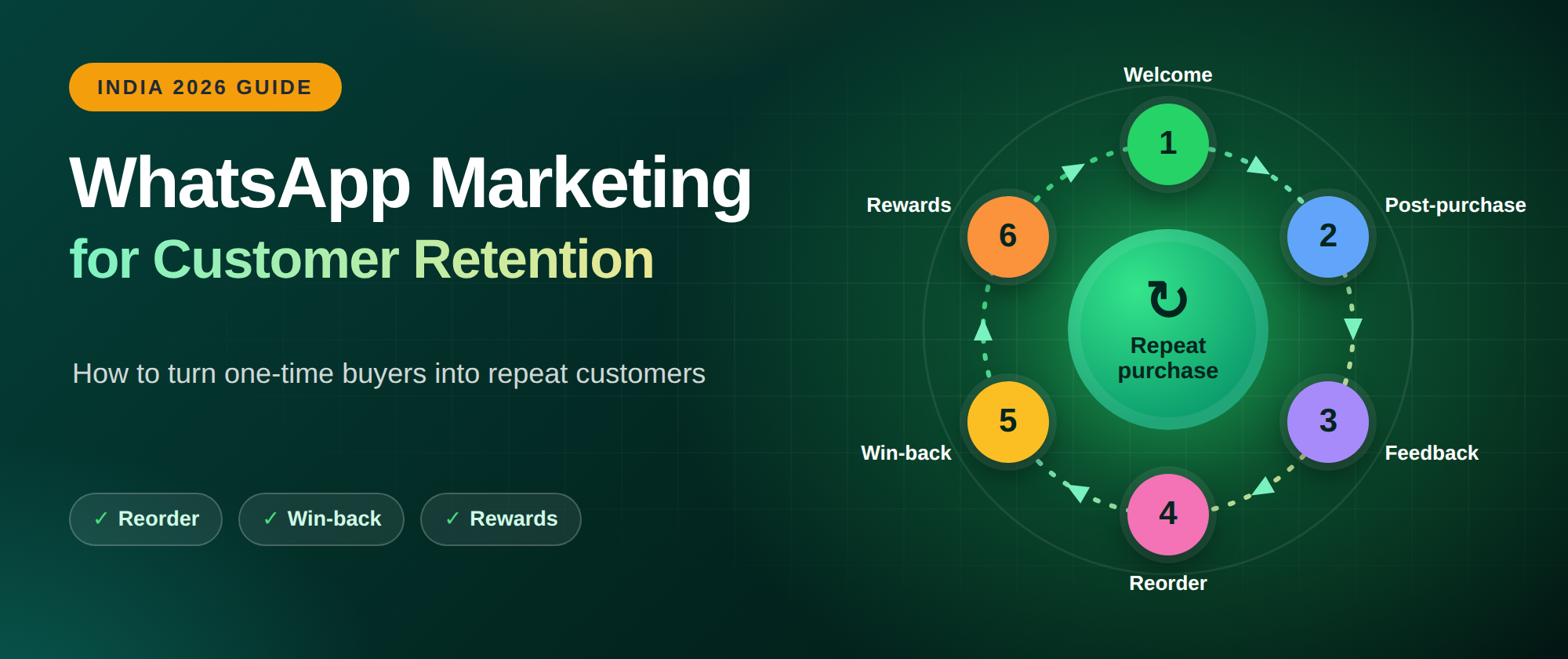
Figure 1: Turn one-time buyers into repeat customers on WhatsApp
Quick answer: To use WhatsApp marketing for customer retention, message only opted-in customers at the moments that matter: after purchase, when they are due to reorder, when they go quiet, and when they earn a reward. Send useful, personal templates through a shared team inbox so no reply is missed, and track repeat purchase rate each month.
Key facts at a glance (October 2026)
- Best for: D2C, retail, beauty, food, edtech and service brands that sell more than once to the same customer.
- Core plays: welcome, post-purchase, feedback, reorder reminder, win-back and rewards.
- India cost: ₹0.8631 per marketing message and ₹0.1150 per utility message, before 18% GST and provider fees.
- Free window: customer-started chats are free to answer for 24 hours, and the first 1,000 service replies per number each month are free.
- Golden rule: consent first. Message only people who opted in, and always offer an opt-out.
What is WhatsApp marketing for customer retention?
WhatsApp marketing for customer retention means using WhatsApp messages to keep existing customers buying, rather than only chasing new ones. It covers order updates, reorder reminders, feedback requests, win-back offers and loyalty rewards, sent as Meta-approved templates to customers who agreed to hear from you.
It works because WhatsApp is already where your customers talk every day, with more than 3 billion monthly users worldwide. A message there is personal, replies are instant, and the whole history sits in one thread. Businesses run it through the WhatsApp Business API, usually with a WhatsApp platform that adds a team inbox, broadcast tools and automation.
Why does customer retention matter more than new sales?
Because repeat buyers cost less to win and tend to spend more over time. A widely quoted Bain & Company finding links a 5% rise in retention to profit gains of 25% to 95%, though results vary by industry. The point for a small brand is simple: a few extra repeat orders from people who already know you are the cheapest growth you can buy.
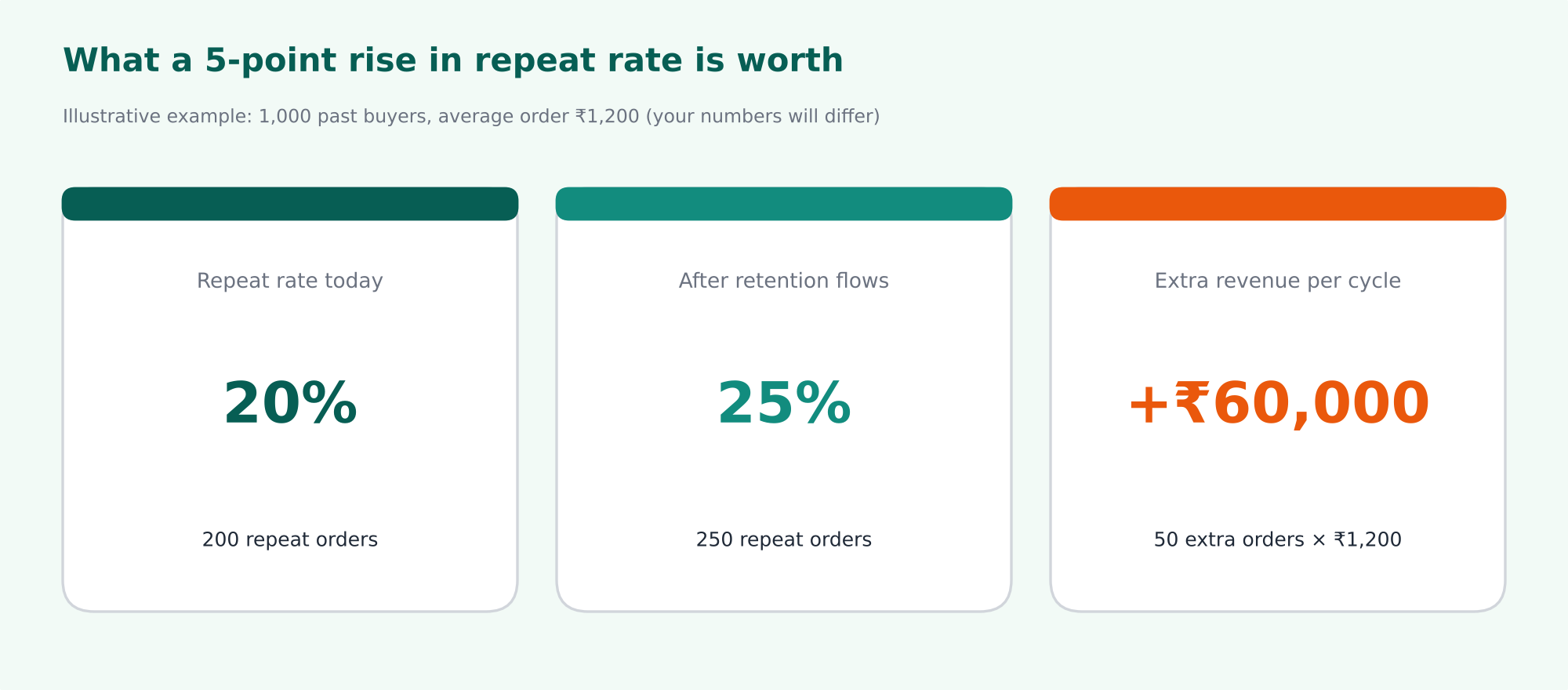
Figure 2: An illustrative example of what a 5-point rise in repeat rate can add
The numbers above are an example, not a promise. Swap in your own order value and repeat rate. If you do not know your repeat rate yet, start by measuring it, as covered in the metrics section below.
The WhatsApp retention loop: six steps
Think of retention as a loop, not a one-off campaign. Each message earns the next purchase.
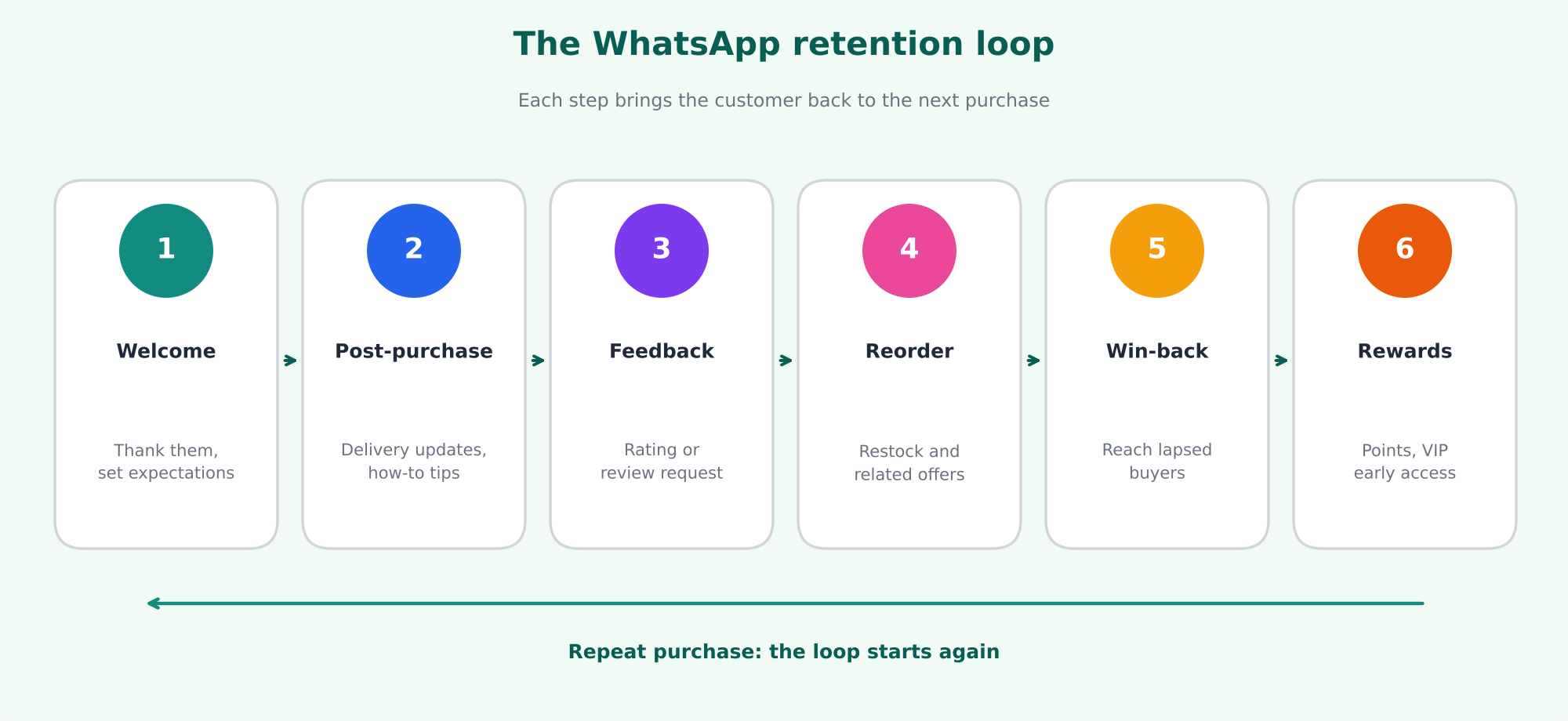
Figure 3: The six steps of the WhatsApp retention loop
How do you use WhatsApp for customer retention? 7 plays that work
Start with plays 1 to 3. They are mostly utility messages, cost little and build the habit of replying.
1. Welcome and set expectations
Thank the customer right after the first order and tell them what to expect: delivery time, how to reach you, and what kinds of messages they will get. Ask them to save your number. This one message lifts later reply rates because it is clearly useful.
2. Keep them informed after purchase
Order confirmed, shipped, out for delivery. Add a how-to tip or a care guide for the product. Customers who never wonder where their order is are far less likely to churn. Route any reply to your team inbox so the right agent picks it up with full history.
3. Ask for feedback while it is fresh
Send a one-tap rating or a short question a week after delivery. Happy customers can be asked for a review. Unhappy ones reach a human before they post online or go quiet.
4. Remind them to reorder
If your product runs out (skincare, coffee, supplements, pet food), message a few days before it is likely to finish with a one-tap reorder button. This is the highest-intent retention message you can send. For other products, suggest accessories or refills.
5. Win back customers who went quiet
Pick a lapse window that fits your category, such as 60 or 90 days, and send a personal nudge with a reason to return: a new arrival, a restock, or a small offer. Send it once or twice, then stop. Anyone who does not respond should rest.
6. Reward loyalty
Share points balances, early access to new drops, or a thank-you code after the third order. A short, personal message beats a generic broadcast. Segment by order count so VIPs feel noticed.
7. Mark moments
Birthdays, order anniversaries and festival greetings feel human when they are short and tied to the customer, not a mass blast. Keep offers optional.
A simple 30-day message plan after the first order
Here is a starter schedule you can copy and adapt. It uses five messages in a month, which keeps the experience helpful rather than pushy.
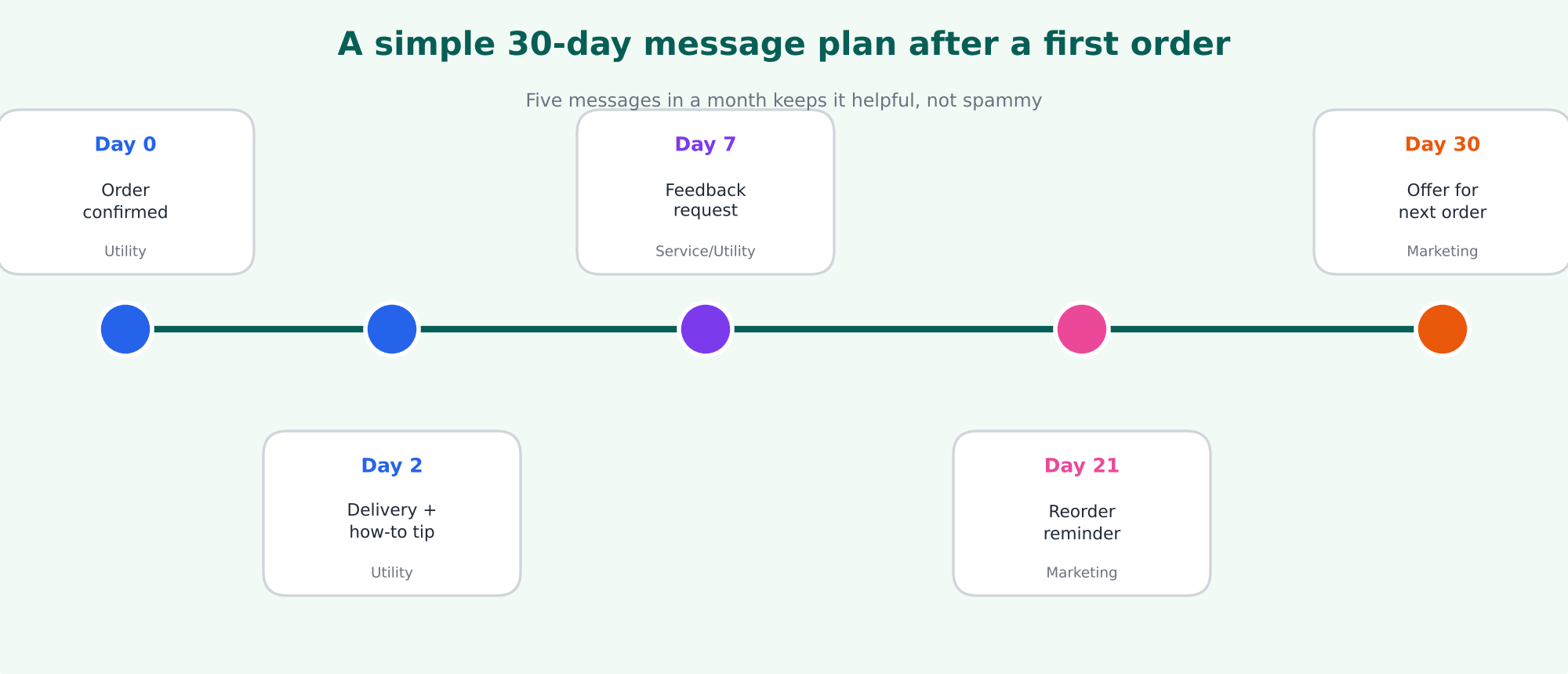
Figure 4: A five-message plan for the first 30 days after purchase
Use no-code automation to trigger each message from the order event, and a drip campaign to space them out. Stop the sequence the moment a customer replies, and let a person take over.
How do you segment customers for WhatsApp retention?
Segmentation is what makes a retention message feel personal. Instead of sending one broadcast to everyone, split your list by behaviour and send each group the flow that fits it. Start with four simple segments built from data you already have: order count, product and last purchase date.
| Segment | Who they are | Best message |
|---|---|---|
| First-time buyers | 1 order in the last 30 days | Welcome, delivery tips |
| Repeat buyers | 2 or more orders | Rewards, early access |
| Lapsed buyers | No order in 60 to 90 days | One win-back nudge |
| High spenders | Top 10% by order value | VIP offer, personal thank-you |
Worked example: a skincare brand with 1,000 buyers might send first-time buyers the 30-day plan above, repeat buyers a points update, and the 150 buyers quiet for 90 days one reorder offer. Each group gets a message that fits its stage, so replies rise and opt-outs stay low. Review your segments every month.
What are the rules for WhatsApp marketing messages?
- Get opt-in. Collect consent at checkout, on a form or by click-to-WhatsApp. Never message bought lists.
- Use approved templates. Business-started chats outside 24 hours need Meta-approved templates. Keep them short, specific and personal.
- Offer an easy opt-out. A "reply STOP" line protects your quality rating.
- Watch your quality rating. Blocks and reports lower your messaging limit. Send fewer, better messages.
- Respect timing. Avoid late nights and send at the hour your customers usually reply.
How do you measure whether it is working?
Track a handful of numbers every month and compare cohorts, such as buyers who got the flow versus those who did not. Do not judge on open rate alone.
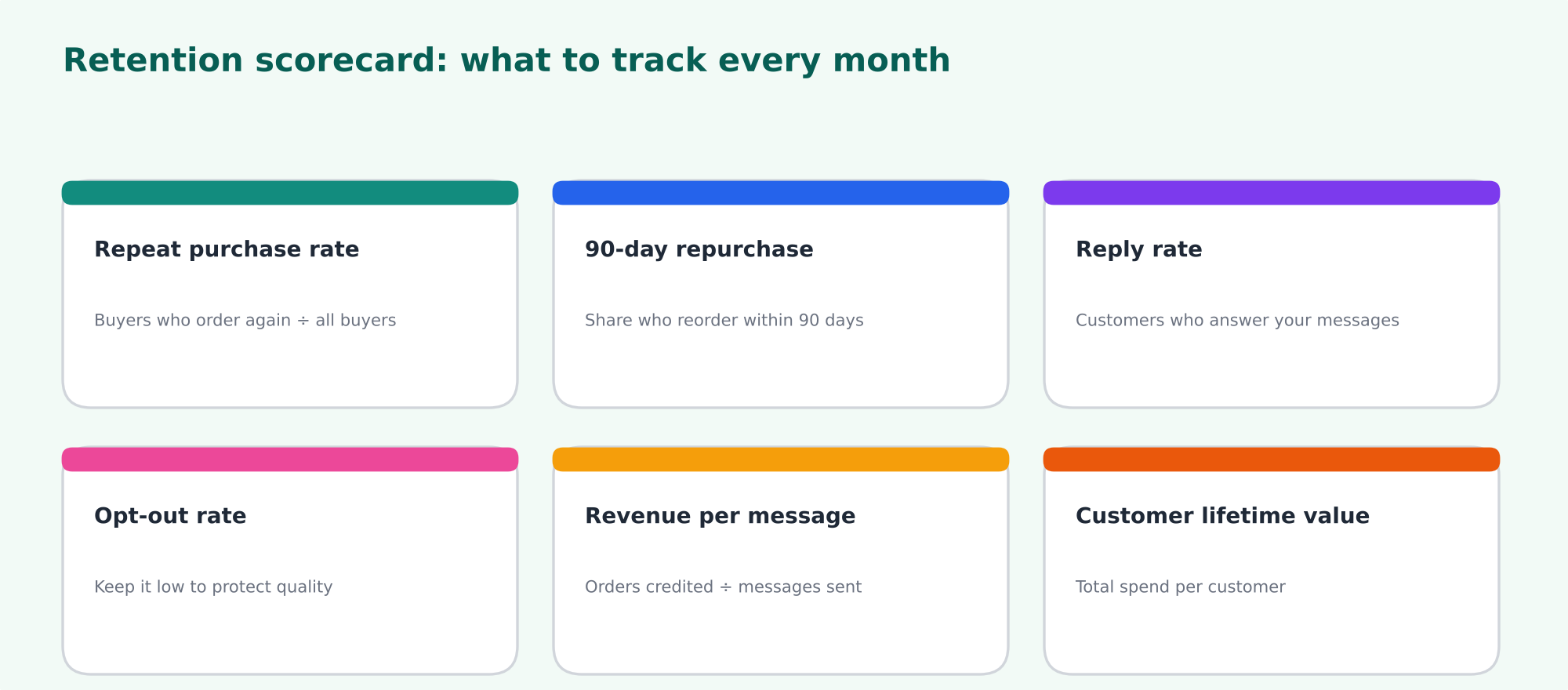
Figure 5: Six retention metrics to review each month
Common mistakes to avoid
- Blasting everyone. Segment by order count, product and last purchase date.
- Only sending offers. Mix in help, tips and thanks so promotions feel earned.
- Ignoring replies. A retention message that gets no answer from your team does more harm than none.
- No stop rule. End sequences when a customer buys or replies.
- Counting sends, not sales. Measure repeat orders, not messages delivered.
When does a WhatsApp platform make sense?
You can start by hand with the WhatsApp Business App for a few dozen customers. Once several people answer chats, or you want reminders to fire automatically, move to the API with a platform. ChatDesq offers an official WhatsApp Business API connection, a shared inbox, Meta-approved broadcasts, no-code automations and a built-in CRM, so retention flows, replies and reports sit in one place. You can explore the full platform to see how the pieces fit.
Frequently Asked Questions
How do I use WhatsApp for customer retention?
Message opted-in customers after purchase, before they run out and when they go quiet.
Is WhatsApp marketing good for repeat sales?
Yes. Reorder reminders and win-back messages work best.
How many WhatsApp marketing messages should I send each month?
One to four per customer. Cut back if opt-outs rise.
Do I need the WhatsApp Business API for retention?
Not for a few dozen customers. For automation or many agents, yes.
How much does it cost in India?
₹0.8631 per marketing message and ₹0.1150 per utility message, plus 18% GST.
Bottom line: retention on WhatsApp is about being useful at the right moment. Start with order updates and a reorder reminder, add a win-back flow, measure repeat rate, and grow from there. Ready to set it up? See how ChatDesq can help.
Sources: Meta's October 2026 India rate card as reported by Business Standard; Bain & Company retention research (Frederick Reichheld), widely cited and varying by industry; WhatsApp user figures as reported by Meta. Figures 2 and 4 use illustrative numbers.